







Chicken Bibimbap
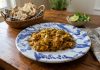
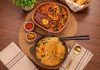
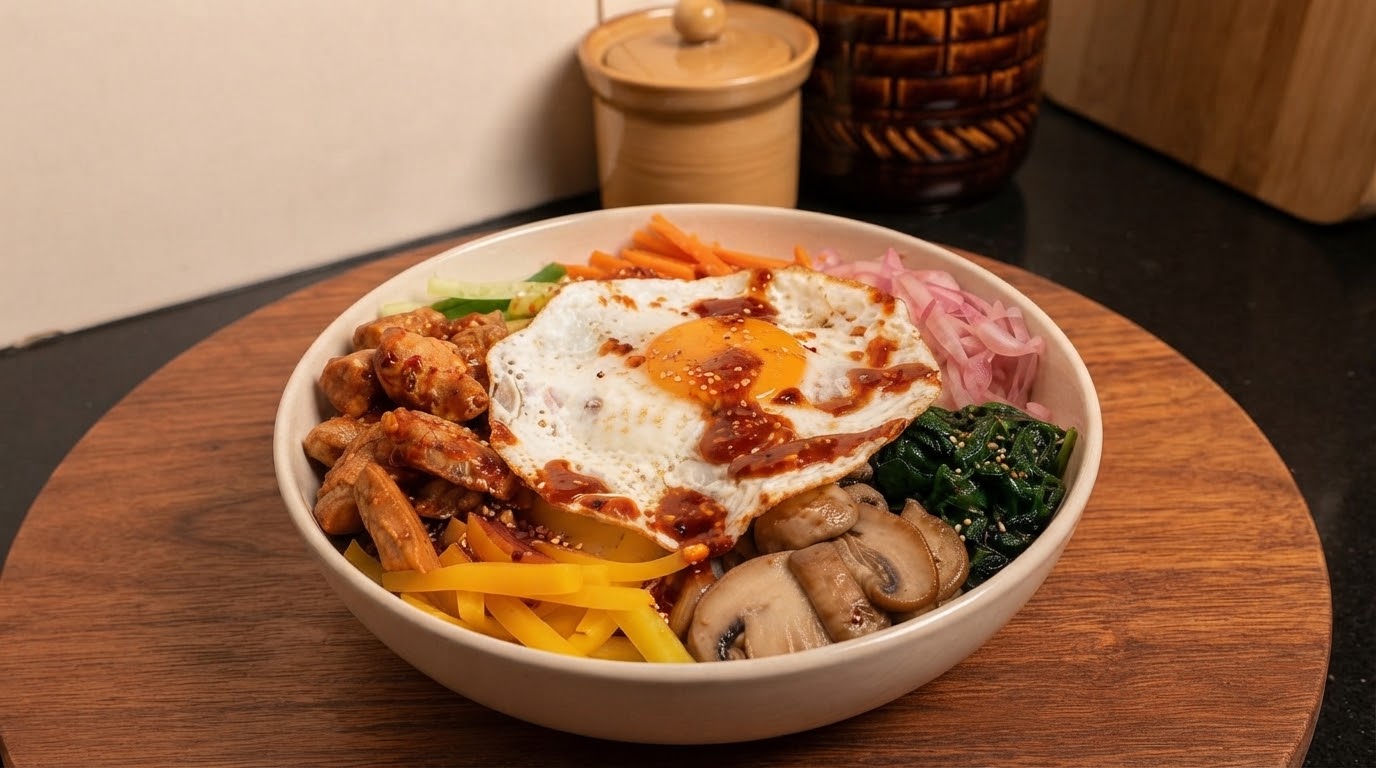
Chicken Bibimbap is a colorful Korean-inspired rice bowl made with fluffy Surti Kolam rice, marinated chicken, fresh and sautéed vegetables, a fried egg, and a savory gochujang-based sauce.
The chicken is marinated with soy sauce, oyster sauce, rice vinegar, sesame oil, garlic, ginger, chili oil, and black pepper, then pan-fried until caramelized. The bowl is finished with a flavorful bibimbap sauce and toasted sesame seeds.
Why You’ll Love This Recipe
- Flavorful Korean-inspired chicken rice bowl
- Made with tender caramelized chicken
- Loaded with colorful vegetables
- Includes a rich and spicy-sweet gochujang sauce
- Finished with a fried egg and toasted sesame seeds
- Easy to customize with your favorite vegetables
Ingredients
Rice
- 1⅓ cups (60–70 g) Surti Kolam rice
Chicken Marinade
- 200 g boneless chicken thighs
- 1½ tablespoons soy sauce
- 1 tablespoon oyster sauce
- 1 teaspoon rice vinegar
- 1 teaspoon sesame oil
- 3 cloves garlic, minced
- 1 teaspoon ginger, grated
- 1 teaspoon chili oil
- ½ teaspoon black pepper
Vegetables
- 8–10 spinach leaves
- ¼ cup carrot, julienned
- ¼ cup cucumber, julienned
- ¼ cup mushrooms, sliced
- ¼ cup yellow zucchini, julienned
- ¼ cup onion, thinly sliced
- 1 teaspoon sesame oil
- Salt, to taste
Bibimbap Sauce
- 1 tablespoon gochujang
- 1 teaspoon soy sauce
- 1 teaspoon rice vinegar
- 1 teaspoon sesame oil
- 2 teaspoons honey
- 1 clove garlic, minced
- 1–2 teaspoons water, optional
Garnish
- 1 fried egg
- 1 teaspoon toasted sesame seeds
Instructions
1. Prepare the Rice
Rinse the Surti Kolam rice 2–3 times. Soak the rice for 20 minutes, then cook until soft and fluffy. Allow the cooked rice to rest for 10 minutes.
2. Marinate the Chicken
Combine the chicken thighs with soy sauce, oyster sauce, rice vinegar, sesame oil, minced garlic, grated ginger, chili oil, and black pepper.
Marinate the chicken for 20–30 minutes.
3. Cook the Chicken
Pan-fry the marinated chicken until it is cooked through and caramelized on the outside.
4. Prepare the Vegetables
Sauté the spinach, mushrooms, carrot, onion, and yellow zucchini separately with a little sesame oil and a pinch of salt.
Keep the julienned cucumber fresh rather than sautéing it.
5. Make the Bibimbap Sauce
Whisk together the gochujang, soy sauce, rice vinegar, sesame oil, honey, minced garlic, and optional water until smooth and well combined.
6. Assemble the Bibimbap
Add the cooked rice to a serving bowl. Arrange the cooked chicken, spinach, carrot, cucumber, mushrooms, yellow zucchini, and onion around the rice.
Top the bowl with a fried egg.
7. Finish and Serve
Drizzle the bibimbap sauce over the bowl and sprinkle with toasted sesame seeds.
Mix everything together before serving so the rice, chicken, vegetables, egg, and sauce combine evenly.
Recipe Tips
- Rinse the rice 2–3 times before soaking and cooking.
- Allow the rice to rest for 10 minutes after cooking for a fluffy texture.
- Marinate the chicken for 20–30 minutes for better flavor.
- Pan-fry the chicken until it is fully cooked and caramelized.
- Sauté the vegetables separately to keep their individual flavors and textures.
- Keep the cucumber fresh instead of cooking it.
- Add the optional water to the bibimbap sauce if you want to loosen its consistency.
- Mix the bowl before eating so the sauce coats the rice, chicken, vegetables, and egg.
Serving Suggestions
Serve the Chicken Bibimbap immediately after assembling, topped with the fried egg and toasted sesame seeds.
For the best experience, mix the ingredients together before eating.
Storage
Because the recipe contains cooked rice, chicken, vegetables, and a fried egg, leftovers should be refrigerated promptly in an airtight container and reheated thoroughly before serving.
Nutrition
Nutritional values are not provided in the original recipe and will vary depending on the exact ingredients and quantities used.
Frequently Asked Questions
What type of chicken is used?
This recipe uses 200 g of boneless chicken thighs.
How long should the chicken be marinated?
The chicken should be marinated for 20–30 minutes.
Can I use fresh cucumber?
Yes. The recipe specifically keeps the julienned cucumber fresh rather than sautéing it.
What is used to make the bibimbap sauce?
The sauce is made with gochujang, soy sauce, rice vinegar, sesame oil, honey, minced garlic, and optional water.
What goes on top of the bibimbap?
The bowl is topped with a fried egg and 1 teaspoon of toasted sesame seeds.
Should the bibimbap be mixed before eating?
Yes. The recipe recommends mixing the bowl before serving so the rice, chicken, vegetables, egg, and bibimbap sauce combine together.
Final Thoughts
Chicken Bibimbap brings together fluffy Surti Kolam rice, caramelized marinated chicken, colorful vegetables, a fried egg, and a flavorful gochujang sauce in one satisfying bowl.
With its combination of savory, slightly sweet, spicy, and fresh flavors, this Korean-inspired rice bowl makes a delicious and colorful meal.
Would you try this Chicken Bibimbap? 🍚🍗🥚🥕